Investment & Tourism
Investment & Tourism
Five independent signals pointing to a growing confidence in one of Asia’s most compelling tourism destinations.
When global airlines deploy additional aircraft, luxury hotel brands commit hundreds of millions of dollars to new developments, governments invest in infrastructure and respected travel editors repeatedly recommend the same destination, they are making decisions based on research rather than optimism.
For anyone considering buying a holiday home overseas, those decisions can often be far more revealing than marketing brochures or property advertisements.
Over the past few years, Sri Lanka has quietly become one of the clearest examples of this.
According to the Sri Lanka Tourism Development Authority (SLTDA), the country welcomed 2,362,521 international visitors in 2025, representing 15.1% year-on-year growth and surpassing pre-pandemic visitor numbers. Looking ahead, the SLTDA forecasts between 2.55 million and 3 million international arrivals in 2026, supported by improving air connectivity, infrastructure investment and growing international demand.
Visitor numbers, however, are only part of the story. Perhaps more interesting is who is choosing to invest alongside them.
Most people see a new airline route as good news for travellers. Investors should see something else.
Airlines are among the world’s most data-driven businesses. Before adding flights or deploying larger aircraft, they analyse years of booking trends, economic forecasts, competitor activity and expected passenger demand. Every additional service represents a commercial decision backed by extensive research.
That is why the recent expansion of services to Sri Lanka is so significant. Emirates has expanded its Colombo services with a second daily Airbus A350, introducing its latest Premium Economy product to the route. British Airways has confirmed its return to Colombo, reconnecting Sri Lanka with London as part of its long-haul network expansion. Jetstar has announced Australia’s first low-cost direct flights to Sri Lanka, while Etihad Airways, Qatar Airways, Cathay Pacific and Singapore Airlines have all increased services or strengthened connectivity to Colombo.
Confidence isn’t coming solely from overseas airlines. SriLankan Airlines, the country’s national carrier, continues to expand its network and strengthen partnerships with international airlines while investing in fleet renewal. In 2025, the airline carried almost a quarter of all international visitors arriving in Sri Lanka.
Collectively, these announcements are making Sri Lanka easier to reach from Europe, Australia, the Middle East and Asia than at any point in recent years. For holiday homeowners, that matters. Better accessibility broadens the pool of potential guests, creates greater competition between airlines and strengthens the long-term appeal of the destination.
Sources: Emirates · British Airways · Jetstar · Etihad · Qatar Airways
Airlines invest aircraft. Hotel groups invest decades.
Luxury hospitality projects often take five to ten years to move from concept to opening. Before committing that level of capital, developers undertake extensive feasibility studies covering visitor demand, spending patterns, economic outlook and long-term tourism growth.
In recent years, Sri Lanka has attracted investment from some of the world’s most respected hospitality companies. Marriott has announced the arrival of The Ritz-Carlton Reserve - its most exclusive luxury brand. City of Dreams has opened South Asia’s first fully integrated luxury resort. The Radisson Collection (located less than 500m from our Coconut Grove project) opened in 2025, and other international operators continue expanding their presence across the island.
Independent luxury publications such as Robb Report are increasingly featuring Sri Lanka among the world’s emerging luxury destinations. Their recent feature explores why some of the world’s most prestigious hospitality brands are investing in the island and how a new generation of design-led hotels is redefining luxury travel.
This combination of investment and editorial recognition suggests confidence extending well beyond the short term.
Sources: Ritz-Carlton Reserve announcement · City of Dreams Sri Lanka · Robb Report - Sri Lanka’s luxury hotel boom
Tourism growth doesn’t happen through marketing alone. Successful destinations require airports capable of handling more passengers, roads that make travel easier and visitor infrastructure that encourages people to stay longer and explore further.
Sri Lanka has recognised this. Expansion of Bandaranaike International Airport, upgrades to regional airports, continued investment in expressways and improvements to tourism facilities all form part of a broader strategy to support long-term growth.
While infrastructure rarely generates headlines in the same way as a luxury hotel opening, it is often what determines whether tourism growth can be sustained over decades rather than years. For local property owners, better infrastructure generally translates into easier access, shorter travel times and a better overall guest experience.
Sources: The Morning - airport expansion · Travel & Tour World - 2026 infrastructure plans
Tourism campaigns are designed to persuade. Editorial recommendations are earned.
Over the past decade, Sri Lanka has repeatedly appeared in publications including Lonely Planet, Travel + Leisure, Condé Nast Traveller, TIME, BBC Travel, National Geographic and Robb Report. What makes this recognition particularly compelling is that these publications aren’t celebrating a single attraction. Some focus on Sri Lanka’s extraordinary wildlife, while others highlight its surf culture, wellness traditions, emerging culinary scene, design-led hospitality or growing collection of luxury hotels.
Taken together, they paint a picture of a destination whose appeal extends far beyond beautiful beaches. Travel + Leisure examines Sri Lanka’s remarkable tourism revival, exploring the combination of luxury hospitality, culture, wildlife and authentic experiences drawing travellers back to the island. Condé Nast Traveller outlines why Sri Lanka’s south coast has become one of the world’s most exciting lifestyle destinations, with a thriving food scene, boutique hotels, surf culture and creative community.
Sources: Travel + Leisure · Condé Nast Traveller · CNT - southern Sri Lanka design movement
The way people travel is changing. Across the global tourism industry, travellers are increasingly seeking authentic experiences, nature, wellness and a slower pace of life rather than traditional, high-volume holidays. According to UN Tourism, destinations that offer value for money, cultural immersion, sustainability and meaningful experiences are well positioned to benefit from long-term tourism growth.
This shift is also reflected in Booking.com’s Travel Predictions, which highlight growing demand for quieter destinations, wellness-focused travel and experiences that allow visitors to connect more deeply with local culture.
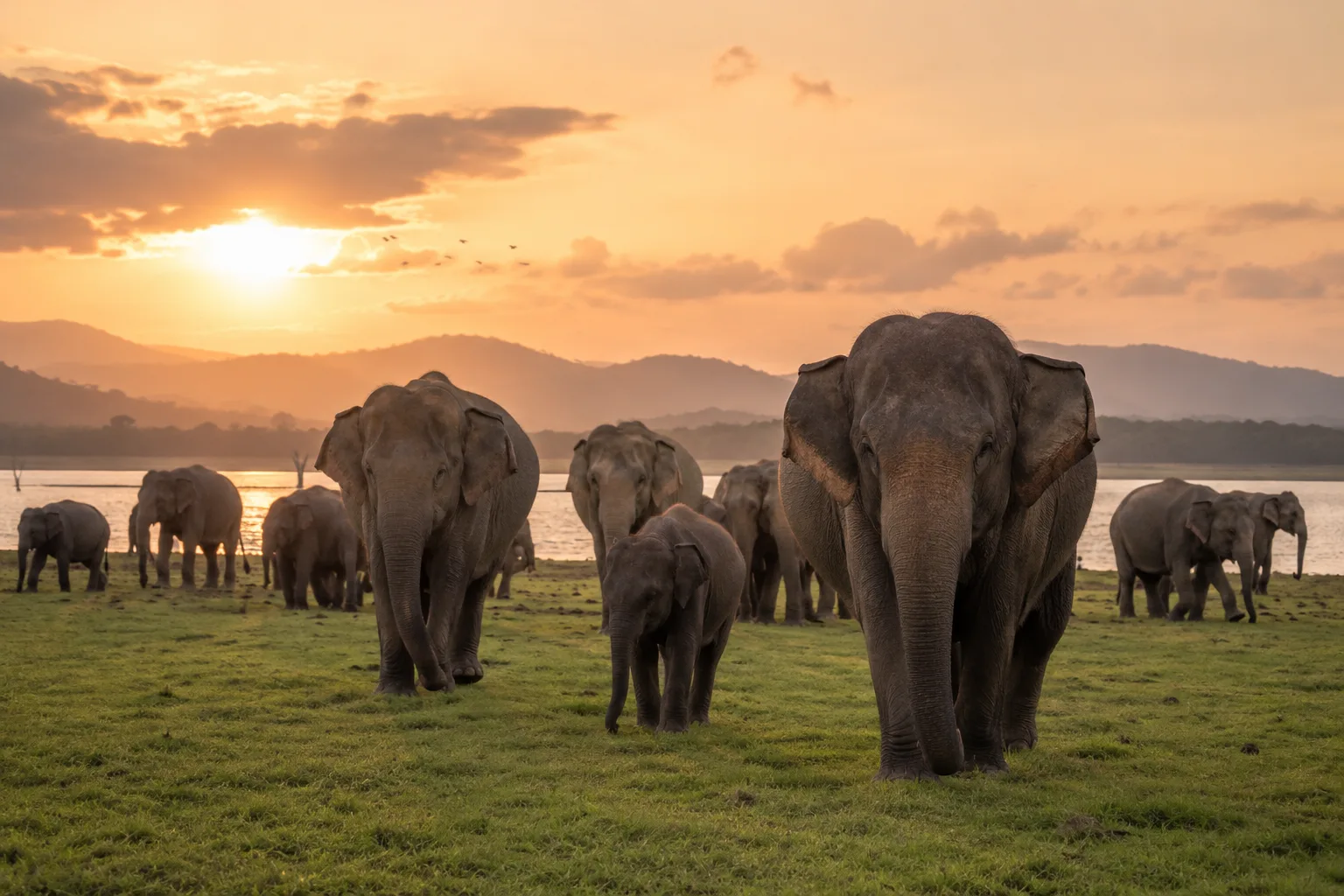
These trends play directly to Sri Lanka’s strengths. Long before ‘slow travel’ and ‘wellness tourism’ became industry buzzwords, Sri Lanka was offering many of the experiences travellers now actively seek. Visitors can surf uncrowded beaches, explore UNESCO World Heritage Sites, experience world-class wildlife, enjoy centuries-old Ayurvedic traditions and stay in boutique hotels or private villas - all within a remarkably compact island.
Rather than reinventing itself to follow changing travel trends, Sri Lanka is naturally benefiting from them.
Sources: UN Tourism - Global Tourism Barometer, May 2026 · Booking.com - Travel Predictions
If you’re exploring a holiday home investment in Sri Lanka, read our guides on how foreigners can buy property in Sri Lanka, how to choose a holiday home that performs well as a short-term rental, and why Mihiripenna has become one of the south coast’s most desirable locations.
Now Selling in Mihiripenna
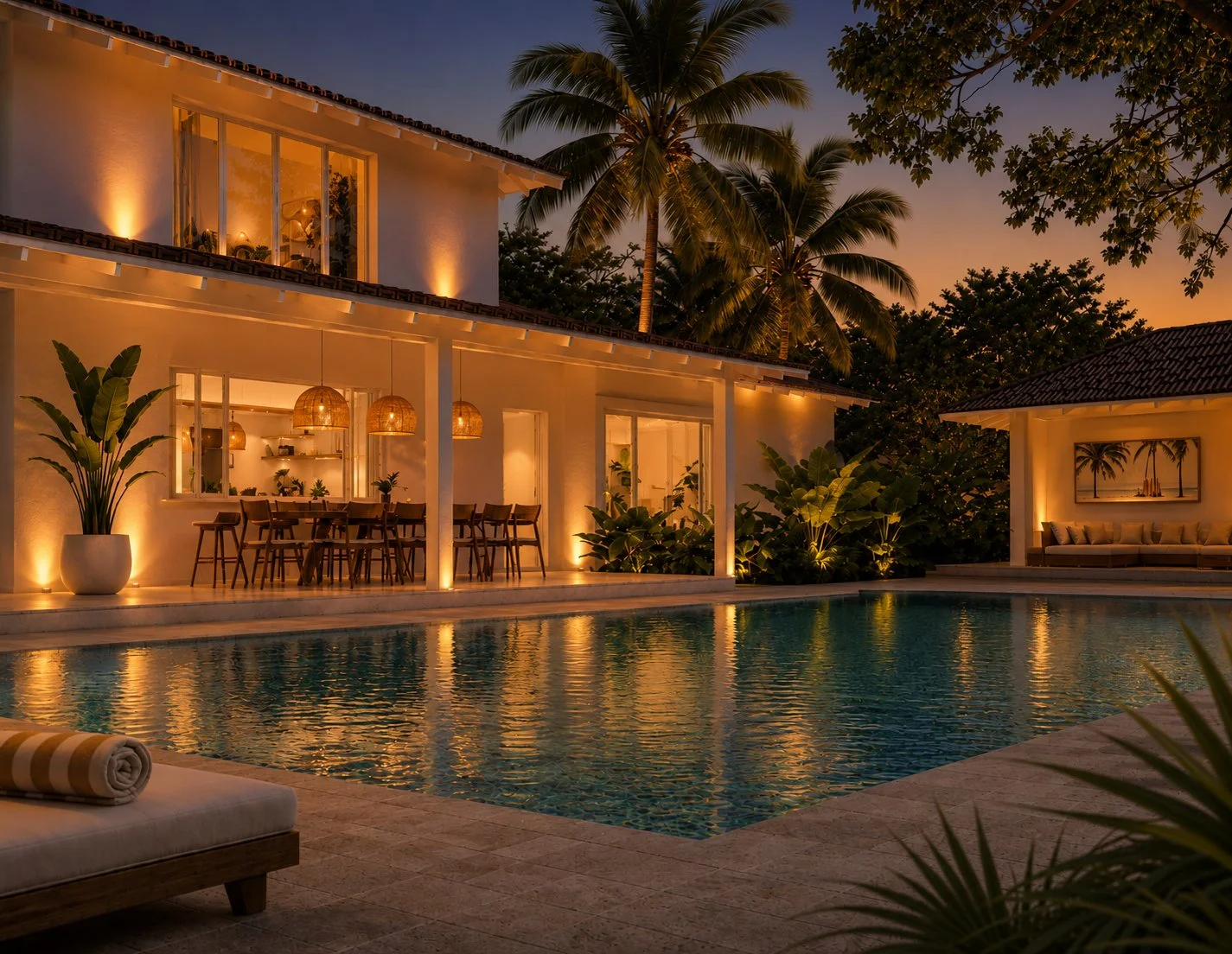
A boutique collection of architecturally designed freehold villas within a private gated estate, just 450m from the beach in Mihiripenna, Thalpe.
Enter your details and your download will begin immediately.

A boutique collection of ten architecturally designed tropical villas within a private gated estate - formerly a coconut plantation in Mihiripenna, Thalpe. Just 450m from the beach.