Buyer's Guide · Lifestyle & Investment
Buyer's Guide · Lifestyle & Investment
Buying a holiday home in Sri Lanka is about more than purchasing real estate. It is about investing in a place where memories will be made, families will gather and guests will return year after year.
For many international buyers, there is also a practical consideration: choosing a property that can perform well as a short-term rental when it is not in use. The best villas achieve this not through gimmicks or fleeting trends, but by getting the fundamentals right.
Whether you are considering a beachfront retreat or a tropical villa on Sri Lanka's south coast, these are the characteristics that consistently distinguish outstanding holiday homes from average ones.
You can renovate a kitchen, upgrade furniture or redesign a garden, but you cannot move a property.
When evaluating a holiday home in Sri Lanka, consider not just the view but the wider experience. Are guests close to beaches, cafés, restaurants and local attractions? Can they enjoy the destination without spending every day in a vehicle?
Neighbourhoods with a strong sense of place and good walkability often create a more enjoyable stay for both owners and visitors. Research by the National Association of Realtors has found that buyers place significant value on walkable communities and are often willing to pay a premium for them.
Source: National Association of Realtors - Buyers May Pay More to Live in Walkable Communities
For holiday homes, convenience often translates into better guest experiences, higher occupancy, stronger reviews and a property that owners enjoy using themselves.
One of the biggest mistakes developers make is assuming that bigger automatically means better.
In reality, many luxury villas are booked by extended families or groups of friends travelling together. These guests want generous communal areas where everyone can cook, dine and socialise, but they also value spaces where they can retreat for a quiet moment.
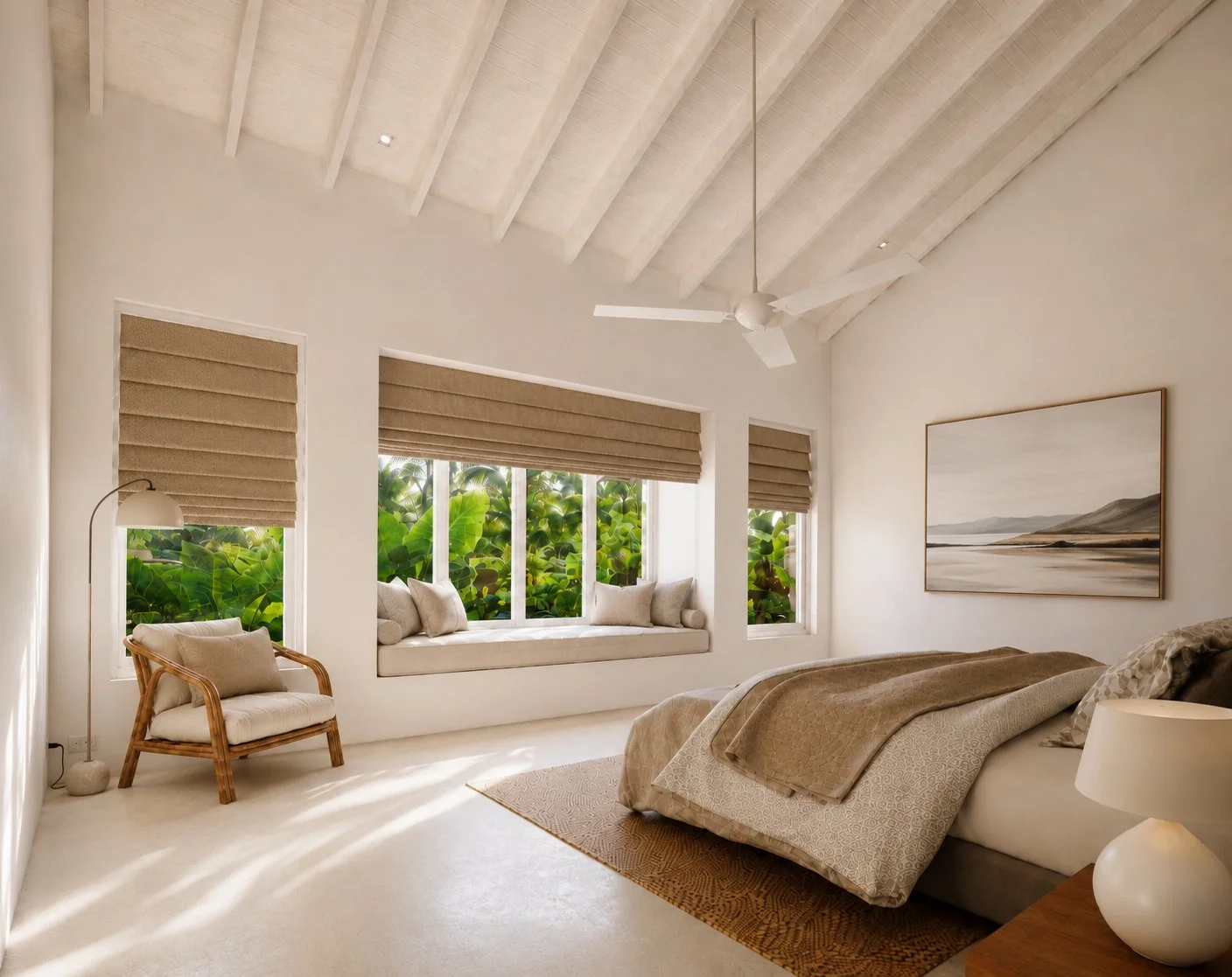
The most successful homes balance these needs thoughtfully. Open-plan kitchens flowing into outdoor entertaining spaces encourage connection. At the same time, reading nooks, window seats, shaded terraces, private courtyards and separate lounge areas allow individuals to recharge in peace.
This flexibility is especially valuable for multigenerational groups. Grandparents may wish to read quietly while children swim, or parents may enjoy an evening drink after younger family members have gone to bed. Accommodation that supports both togetherness and solitude often delivers a richer overall guest experience.
A villa should feel just as welcoming in ten years as it does on opening day.
Rather than chasing short-lived design trends, look for architecture that responds naturally to the local climate and environment. High ceilings, cross ventilation, shaded outdoor areas and seamless indoor-outdoor living create homes that are comfortable, elegant and practical. Natural materials such as timber, stone, linen and terrazzo also tend to age gracefully while reinforcing a sense of place.
Equally important is choosing a design with your future guests in mind. While it is natural to incorporate your own style and personality, the most successful holiday homes tend to have broad appeal. Timeless architecture, neutral palettes, quality materials and flexible living spaces are more likely to resonate with a wide range of travellers than highly personalised or trend-driven interiors.
The same principle applies to photography. For most guests, the booking journey begins online, where first impressions are formed in seconds. Homes that are bright, uncluttered and purposefully designed for holiday living often stand out in search results and create the kind of emotional connection that leads to bookings.
When choosing or designing a villa, it can be helpful to ask not, “What do I like?” but rather, “What would delight the greatest number of guests?” Striking that balance between personal enjoyment and broad market appeal can help maximise occupancy, encourage repeat stays and support long-term performance.
In tropical destinations, guests often spend as much time outside as they do inside. A well-considered outdoor environment might include:
Airbnb has identified outdoor amenities and family-friendly spaces as features increasingly sought by travellers booking holiday accommodation.
Source: Airbnb Newsroom - Summer Travel Trends
The goal is not simply to include a pool, but to create an environment where guests naturally want to spend their time.
Many purchasing decisions should be made from the guest's perspective. Would you appreciate:
The answer is almost certainly yes. Practical details rarely appear in marketing brochures, yet they frequently determine whether guests leave glowing reviews or constructive criticism. For remote workers and longer-stay visitors, a simple workspace can also broaden the property's appeal.
An intelligently planned three-bedroom villa can outperform a poorly designed five-bedroom home.
Rather than focusing solely on square metres, consider how spaces connect and function. Do living areas flow naturally to the outdoors? Can multiple groups use different parts of the home simultaneously? Are bedrooms positioned to provide privacy? Are there enough bathrooms? Thoughtful planning often creates a stronger impression than sheer scale.
Even exceptional villas require excellent operations. Guests increasingly expect responsive communication, immaculate presentation and hotel-quality cleanliness. Consistency matters.
Professional management helps ensure bookings are handled efficiently, maintenance issues are addressed promptly and the property continues to meet guest expectations over time. For overseas owners in particular, experienced local management provides reassurance that the investment is being cared for while preserving the quality that underpins positive reviews and repeat stays.
The strongest holiday home investments are usually located within destinations that continue to attract visitors year after year.
Sri Lanka welcomed more than 2.36 million international visitors in 2025, according to the Sri Lanka Tourism Development Authority, reflecting continued growth in the country's tourism sector.
Source: Sri Lanka Tourism Development Authority - Year in Review 2025. View report
Equally important is the type of experience a destination offers. Booking.com's travel research shows that many travellers are increasingly prioritising meaningful experiences, wellness and quality time with family and friends when planning trips.
Source: Booking.com - Travel Predictions
For buyers, this reinforces the value of choosing locations that offer not only beautiful accommodation but also beaches, dining, culture, wellness and opportunities within walking distance to create lasting memories. Read our in-depth look at why Mihiripenna on Sri Lanka's south coast scores so highly on all of these dimensions.
The best holiday homes in Sri Lanka succeed because they understand how people actually travel. They bring families together around large dining tables and swimming pools, yet provide peaceful corners for reading, working or simply enjoying a quiet coffee. They embrace timeless architecture rather than passing trends. They prioritise walkability, comfort and practical design. And they are professionally maintained so that every guest arrives to a home that feels welcoming and well cared for.
Ultimately, the most successful holiday home investments are often the ones owners would happily choose for themselves. By focusing on enduring fundamentals instead of short-term fads, buyers can create a property that delivers exceptional personal enjoyment while remaining highly attractive to future guests.
Free Download
Formline's Investor Pack provides a step-by-step overview of the buying process, guidance for international purchasers and practical insights into creating a holiday home designed for lasting appeal.
Enter your details and we'll send your complimentary Investor Pack by email.